
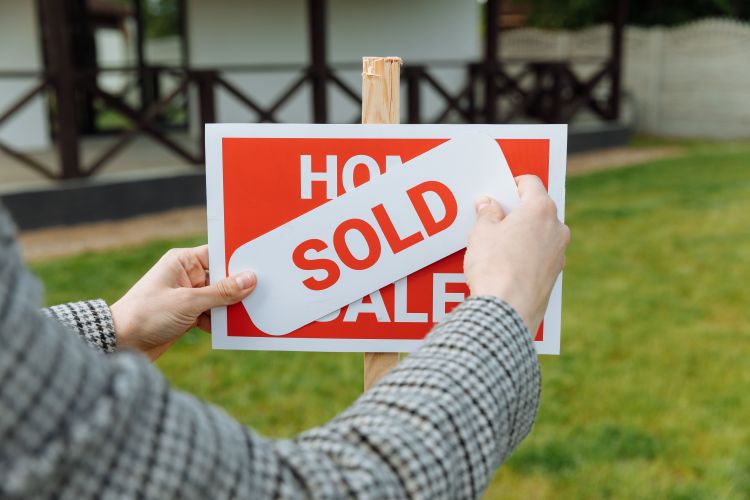
Selling a house can be a big undertaking. It’s one of the most significant financial transactions many of us make in life, so no wonder it can feel overwhelming.
In this guide to selling a house, we will talk you through the practicalities step by step, giving prospective sellers a clear understanding of the house-selling steps and the confidence they need to move forward with a sale.
From finances, property preparation and valuation to choosing a route to sale before accepting an offer, this blog will support you at every stage of your house-selling journey.
Step One: Finances
Before you fully embark on the selling a house process, understanding the financial implications is a crucial step.
Firstly, you will want to understand how much equity you have built up in your property. This is the amount of your mortgage you have paid off. It doesn’t include interest, just the capital balance. The remaining figure owed is your outstanding mortgage balance.
Next, you will need to check with your provider whether your mortgage agreement includes any early repayment charges. Mortgages are generally locked in for an initial term of two, five or even 10 years. If you are selling your property before this term is up, and not porting (moving) your mortgage across to another property, there could be an early repayment charge.
The other main financial consideration at this point is selling costs. If you are using an estate agent or auction house, they will charge you a small percentage of the property value as their fee. It is worth considering several options to compare deals, although the lowest percentage may not always be the best route for you.
Step Two: Decide on a Selling Method
There are several options available when it comes to selling a house. The most common route in the UK is via an estate agent, who will help with valuation, market the property for sale, assist with price negotiations, and take a small percentage of the sale price as their fee.
Estate agents with strong local knowledge and a healthy database of potential buyers give you the best chance of achieving the property’s potential in terms of selling price. They can advise and guide you along the way, and advertise your property both on and offline to support you in the process of selling a house.
Online estate agents have also become increasingly popular in recent years. Without a high street presence, they market your property exclusively online and take a slightly lower percentage of the sale price.
Property auctions provide an alternative route to sale. The auction house will help you to establish a reserve (minimum) price you are willing to sell for, and will attempt to sell your property to the highest bidder.
Private sales are another option. This is a labour-intensive route as you will need to market the property entirely yourself, deal with all queries, handle all price negotiations and more.
Finally, cash-buying companies will buy properties from sellers directly. They usually offer a quick sale at below market value.
Here is a comparison table of the main routes to market:
|
Sale Value
|
Marketing
|
Negotiations
|
Timescale
|
|
| Estate Agent
|
Average to high
|
Handled by agent
|
Handled by agent
|
Average
|
| Online Agent
|
Average
|
Handled by agent
|
Handled by agent
|
Average
|
| Auction House
|
Low
|
Handled by auction
house
|
N/A
|
Quick
|
| Private Sale
|
Low to medium
|
Handled by seller | Handled by seller
|
Can be slow
|
| Cash Buying
Company
|
Low
|
N/A
|
Limited
|
Quick
|
Step Three: Prepare the Property
Selling a house is quicker and easier when the property is well presented, and so before it is listed it is worth preparing it for sale if possible.
This can include simple fixes such as decluttering and repainting to present it in its best state, both in agents’ photographs and for viewings. You may also want to consider addressing minor repairs such as dripping taps, loose handles or cracked tiles, as small issues can give buyers the impression that a property has not been well maintained.
Creating a clean, welcoming environment will help potential buyers picture themselves living in the space. Ensure rooms are well-lit, remove personal items and keep the entrance clean and tidy to improve kerb appeal. First impressions last!
For more ideas on how to maximise your property’s potential, read our guide on how to add value to a house.
Step Four: Paperwork
As you can imagine, ahead of selling a property, there is some important paperwork to undertake, some of which is a legal requirement. This includes:
Identity checks / proof of ID – Required by law to verify your identity and comply with anti-money-laundering regulations before your property can be listed or sold
Energy Performance Certificate (EPC) – A legal requirement that shows the energy efficiency of your property, which must be made available to potential buyers when marketing begins
Fittings and contents forms – Lists what will be included in the sale, for example, light fittings, curtains or appliances, so buyers know exactly what they are purchasing.
Step Five: Value and Price the Property
Understanding the value of your property and what you can realistically achieve is a significant part of selling a house.
The most accurate way to understand its value is via a trusted estate agent with good local knowledge and a track record in selling similar properties.
In-person valuations are the most reliable indicator of a potential sale price. Whilst online valuation tools and comparisons with similar properties nearby may give you a ballpark idea, expert guidance in-person will give you a far more accurate valuation. Trusted estate agents, like Henley Charles, know the nuances of the local market, the appeal of the area and can identify the unique selling points of an individual property.
It is strongly advised to get multiple estimates to understand the range you are aiming for. Some valuations may be too low, others too high, so getting as broad a range as possible will give you a clear idea of the sale price you should be aiming for.
Step Six: Put it on the Market and Viewings
Marketing the Property
Marketing your property effectively is arguably the most important part of the selling a house process. You can have a brilliant property and an accurate valuation, but if nobody can see it for sale, you won’t get any offers.
There are a range of ways to market a property, most of which would be handled by your estate agent should you choose to go down that route.
Professional photography, floorplans and virtual tours can all help to present it in its best light, reflecting the quality of the property in the marketing materials.
Some of the most common ways to market a property are:
Signage – A ‘For Sale’ sign at the front of the property is an effective way to promote it to passers-by
Online listings – Whether Zoopla, Rightmove or via your estate agent’s website, having an online presence can boost your visibility to a much wider audience
Estate agent window – A tried and tested method of promoting properties to active searchers and casual browsers, your estate agent’s window can help to showcase your property effectively
Direct marketing – Whether you are using a local or online estate agent or an auction house, your agent can market your property directly to potential buyers via email, phone or in person.
Managing Viewings
Once your property is on the market, managing viewings effectively is key to securing an offer. First impressions count, so it is important to ensure your property is clean and well presented for every viewing.
Many sellers choose to have their estate agent handle viewings on their behalf. This can remove some of the pressure and ensure that viewings are conducted professionally, with agents able to highlight key features and answer questions confidently.
Alternatively, some sellers prefer to conduct viewings themselves, which can allow for more flexibility but requires preparation and a good understanding of the property’s selling points.
You may also want to consider whether to arrange individual viewings or an open house. Individual appointments provide a more personal experience for buyers, whereas open house events can create a sense of competition and urgency if multiple buyers are viewing at the same time.
Being flexible with viewing times, including evenings and weekends, can help maximise interest. It is also important to be responsive to enquiries, as delays can result in missed opportunities.
Finally, if your property is chain-free, this can be an attractive selling point to highlight during viewings, as it suggests a potentially quicker and more straightforward transaction for buyers.
Step Seven: Negotiate and Accept an Offer
The first step before negotiating or accepting an offer is for you to have a realistic understanding of the value you want to achieve and the minimum price you would accept.
Once you have these figures, you are in a position to accept, decline or negotiate offers from buyers.
If you are using an estate agent, they will handle negotiations on your behalf while keeping you informed throughout the process. This removes the need for direct conversations with the buyer. An experienced agent will be well-versed in the back and forth of negotiations, working to achieve the best possible outcome for you.
Step Eight: Conveyancing
Once you have accepted an offer, the sale moves into the conveyancing stage – the legal aspect of transferring ownership of the property from seller to buyer.
At this point, you will need to appoint a solicitor or licensed conveyancer to handle the legal aspects of the transaction. Their role includes preparing the draft contract, responding to enquiries from the buyer’s solicitor, and ensuring all necessary paperwork is completed accurately.
The buyer’s solicitor will carry out searches and raise any questions about the property, which your solicitor will help you to answer. A good conveyancer will guide you through the process and keep everything progressing smoothly.
This stage can take several weeks and continues through to the exchange of contracts and completion.
Step Nine: Exchange and Complete
The final stage of selling a house is exchange and completion, where the sale becomes legally binding and ownership is transferred.
Exchange of contracts is the point at which both parties are committed to the transaction. At this stage, a completion date is agreed and set by both sides. Once contracts are exchanged, neither party can withdraw without financial penalties.
Completion usually takes place a short time after exchange, often within one to two weeks, although this can vary.
When the sale completes, the buyer’s funds are transferred to your solicitor, the sale is finalised and the keys are handed over to the new owner.
As a seller, you will need to ensure the property is vacated and ready for handover.
How Long Does It Take to Sell a House?
Selling a house typically takes between two and six months from listing to completion, although this can vary depending on market conditions, property type and the buyer’s circumstances.
Should You Sell Before Buying Another Property?
It is your choice. Selling before buying can reduce financial risk and strengthen your position as a buyer, but it may leave you needing temporary accommodation if timings do not align.
Costs of Selling a House
The costs of selling a house can include estate agent fees, legal fees, EPC costs and potential mortgage repayment charges, all of which should be factored into your budget.
Common Mistakes When Selling a House
Common mistakes include overpricing the property, neglecting presentation, choosing the wrong selling method and being unprepared for the legal and financial aspects.
When is the Best Time to List a House?
Spring and early autumn are often considered the best times to list a house in the UK due to increased buyer activity.
Conclusion
Selling a house can feel like a daunting prospect, but follow the steps in this guide and you’ll be on the right track every step of the way.
Experienced estate agents like Henley Charles can make the process straightforward, supporting you with strong knowledge of the local housing market and tried-and-tested marketing techniques to help you achieve the best offer for your property.
If you would like to get started on selling a property, talk to one of our experts today.